
Relief from aching legs, leg swelling, varicose veins, and spider veins with minimally invasive outpatient treatments. Southwest Health vein specialists create personalized treatment plans designed to improve circulation, reduce symptoms, and restore quality of life.
Chronic leg swelling may be caused by underlying vein disease and can often improve with minimally invasive vein treatment.
Southwest Health provides advanced varicose vein treatment in Platteville, Wisconsin. Our vascular surgery team treats varicose veins, spider veins, leg swelling, aching legs, and chronic venous insufficiency using minimally invasive outpatient procedures designed to relieve symptoms and improve vascular health.
Treatments available include a full range of modern, minimally invasive options tailored to each patient’s needs. All procedures are performed in an outpatient setting with minimal downtime. Each treatment plan is individualized based on careful evaluation, with the goal of achieving durable symptom relief and improving overall vascular health.
You may experience:
As vein disease progresses, you may notice:
Consider evaluation if you have:
Answer a few quick questions to understand your symptoms and whether it’s time to seek care. After you complete the quiz, results will populate with next steps to determine if it’s time for an evaluation.
There is no one-size-fits-all approach to treating vein disease. Your evaluation and ultrasound help the vein team create the safest and most effective treatment plan for you.
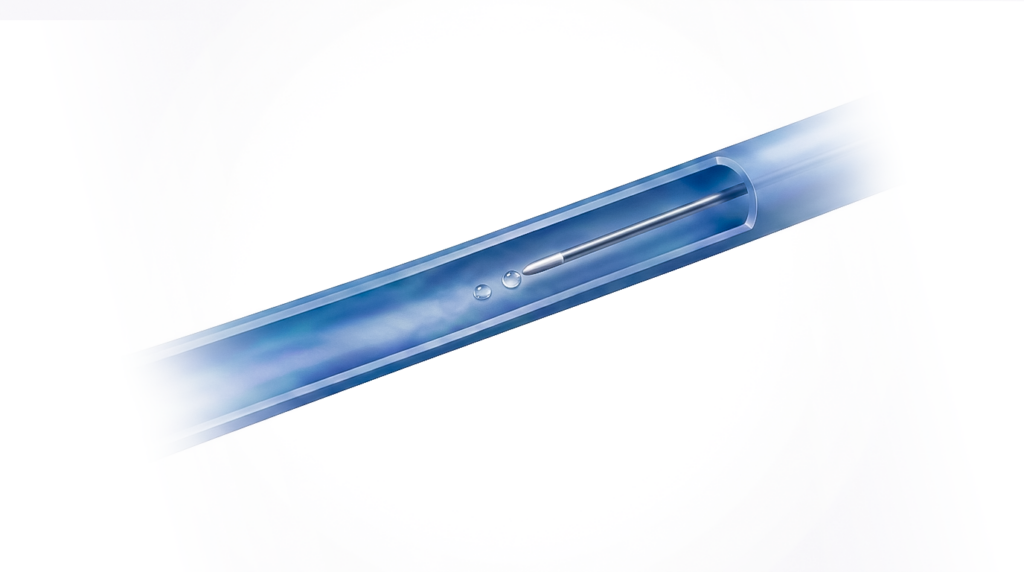
A medical adhesive closes the vein without heat or anesthesia. Compression stockings are often not required
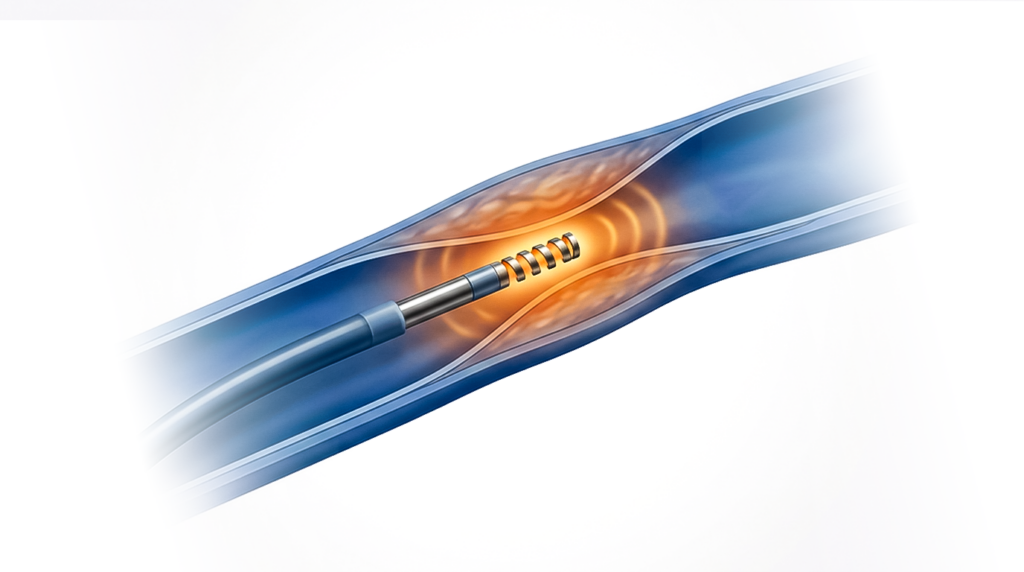
Heat energy closes the vein causing it to collapse and fade over time. Anesthesia is used for comfort.
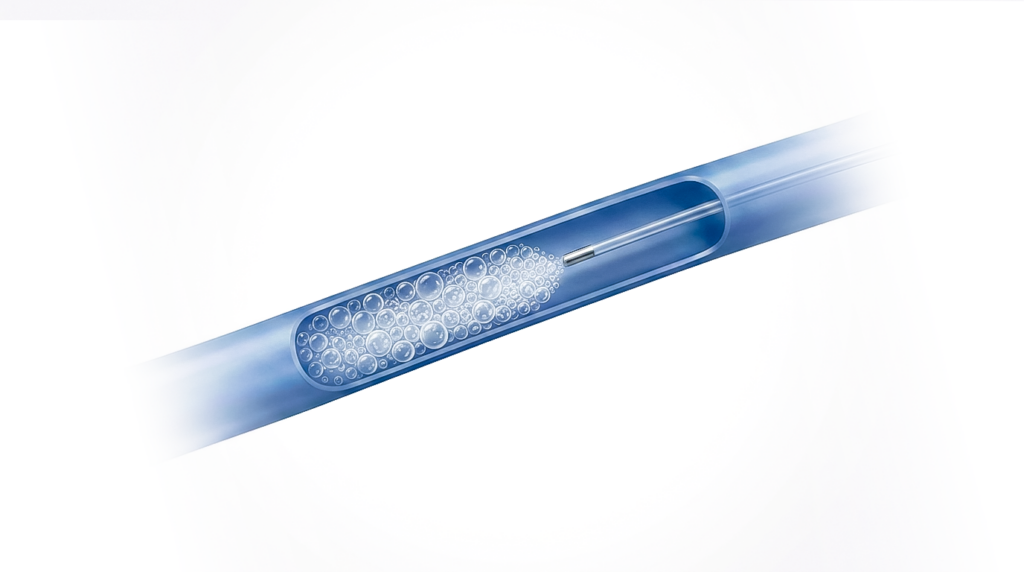
A foam injection closes the vein. Ideal for tortious or complex veins. Compression stocking are usually required.
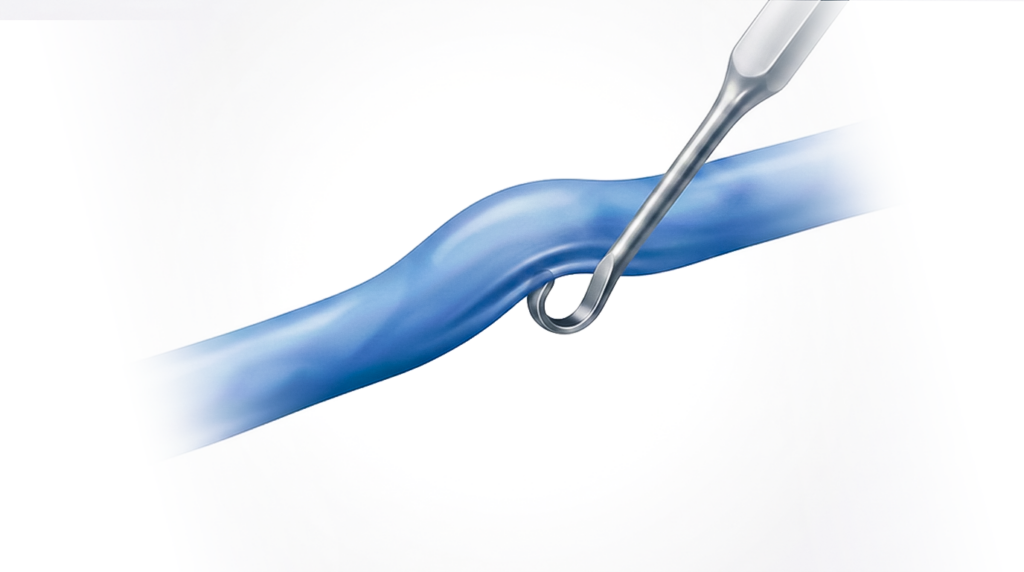
Removes visible bulging veins through tiny incisions, often combined with ablation for cosmetic results.
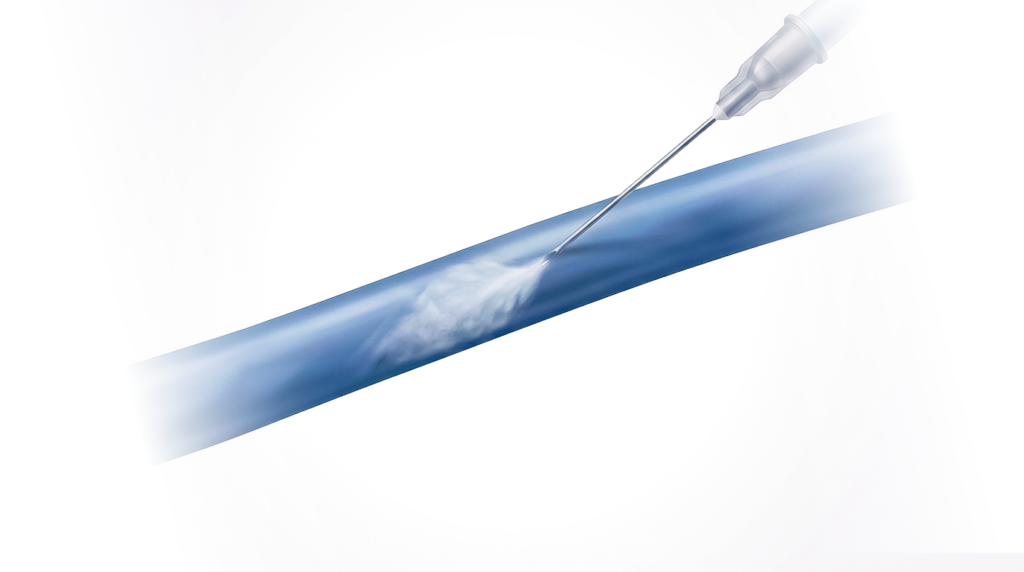
Injection treatment for spider and small varicose veins that improves appearance and mild symptoms.
Modern vein treatments are highly effective and minimally invasive. Early treatment not only improves symptoms and appearance but also helps prevent progression of vein disease, all in an outpatient setting.
| Feature | VenaSeal™ | RFA | Varithena® |
|---|---|---|---|
| Type of treatment | Medical adhesive | Heat-based ablation | Injectable foam |
| Anesthesia needed | Minimal | Tumescent anesthesia | Minimal |
| Compression stockings | Often not required | Usually required | Usually required |
| Recovery time | Very quick | Quick | Quick |
| Best for | Straight veins, convenience | Larger veins, standard care | Tortuous or complex veins |
| Number of treatments | Usually one | Usually one | Sometimes multiple |

Aching, heavy, or tired legs are common symptoms of vein disease. When veins in the legs are not circulating blood properly, pressure can build up and cause discomfort, swelling, burning sensations, and fatigue that often worsen with prolonged standing and improve with leg elevation.
You should consider an evaluation if you experience persistent leg swelling, aching, heaviness, worsening varicose veins, skin discoloration, or a wound on your leg that is slow to heal. These symptoms may indicate underlying vein disease or chronic venous insufficiency that can worsen over time without treatment.
Many varicose vein treatments may be covered by insurance when symptoms such as pain, swelling, skin changes, or venous ulcers are present. Coverage varies based on your condition and treatment plan. Your provider can review your symptoms and help determine eligibility during your evaluation.
Your care provider will work one on one with you to determine the best course of action to help you get back to feeling your best.
Yes. Vein disease can progress over time if left untreated. Symptoms may begin with visible veins, aching, or swelling and later progress to skin discoloration, inflammation, thickened skin, or venous ulcers near the ankle. Early treatment may help relieve symptoms and prevent the progression of vein disease.
Many vein conditions are medical issues, not cosmetic concerns, and may be covered by insurance when symptoms are present!
Our dedicated team will help patients navigate insurance through treatment.
The team at Southwest Health is here to help you with the next step and improve your quality of life.