
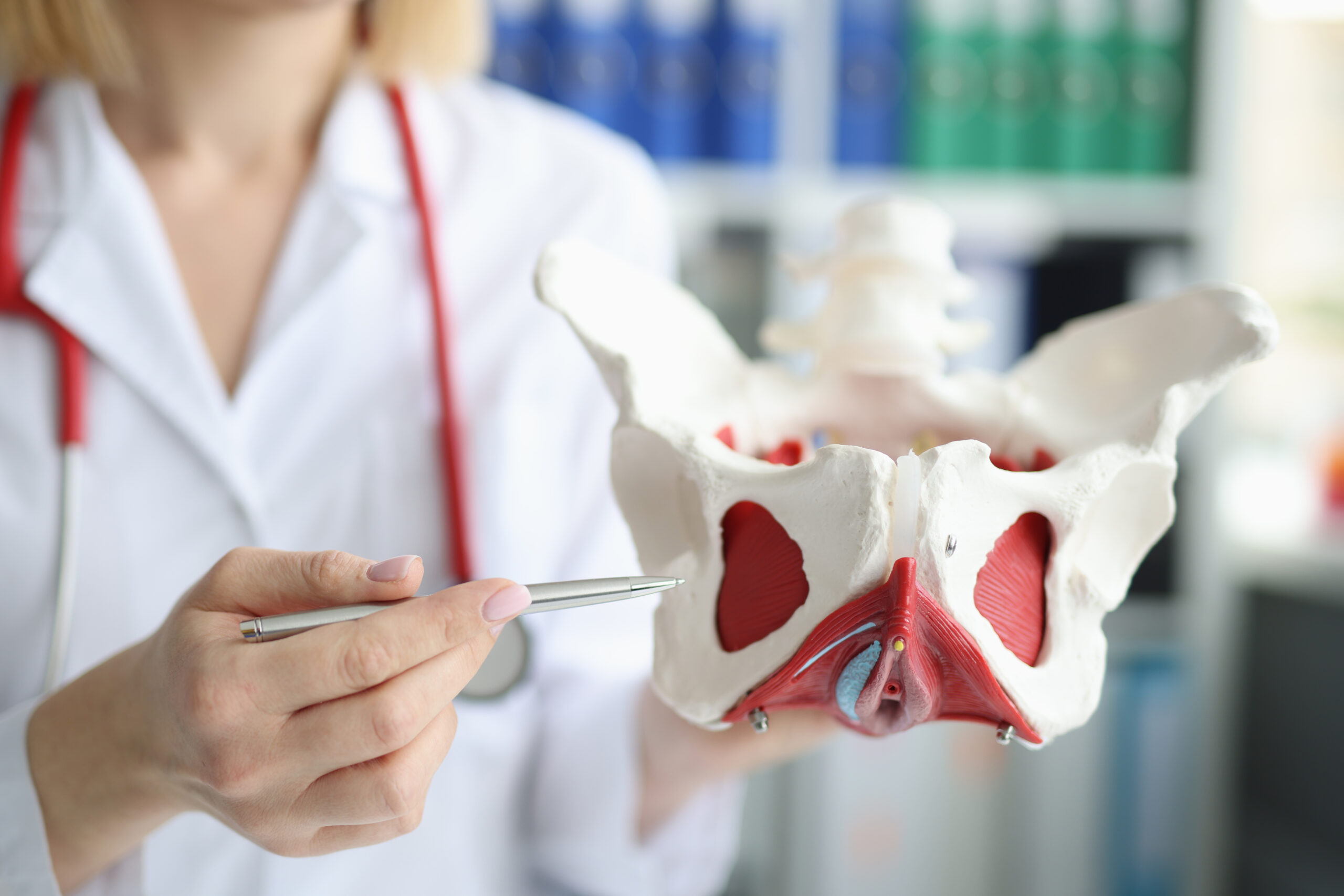
You’re probably expecting your body to change as you age. The wrinkles feel inevitable, you might be slower moving, you could possibly even have different taste! That’s all to be expected. What’s not normal with getting older? Feeling like you can no longer hold it until you get to the bathroom.
While it might feel like everyone goes through this burden, especially after having kids, it doesn’t have to be this way. There are providers specifically trained to get you back to your normal life and not dread every sneeze.
Pelvic floor physical therapy can treat various conditions, including pain during pregnancy, incontinence, prolapse, pelvic pain, pain with intercourse, back pain, constipation, and diastasis recti (or a gap in the rectus muscle). Other diagnoses include managing symptoms of interstitial cystitis and endometriosis. Treatment focuses on your personal goals and returning you back to your everyday life.
Pelvic floor therapy is important and applies to anyone who has a pelvis, so everyone! Women are more likely to experience pelvic floor dysfunction due to their anatomy and for those who give birth. Mayo Clinic shares that up to 1 in 3 women over the age of 20 report some form of pelvic floor dysfunction. But all genders can experience pelvic floor dysfunction, even if they may feel embarrassed to talk about it.
Before you can be diagnosed with Pelvic Flood Dysfunction, an evaluation by a licensed physical therapist needs to take place. An evaluation includes a full screen of functional movements, strength, mobility, breathing, and a pelvic floor assessment. During an evaluation, your provider may complete an internal pelvic floor muscular assessment that provides information regarding muscular length-tension relationships, strength, and coordination. Individuals can have both muscular tension and/or weakness that contributes to a wide variety of symptoms.
Now that you have a diagnosis, comes the work! Treatment is focused on deficits that are found with the evaluation. One common misconception is that patients will just be given “kegels” (strengthening of pelvic floor muscles) onto the pelvic floor. as exercises and treatment. Kegels are not given as a standalone treatment as this will not reduce their symptoms. Treatment addresses the movement of the entire body system, as asymmetries there will affect pressure.
Many individuals will not address incontinence with their provider as they assume this is normal following a birth or common with aging or they may be embarrassed about the subject matter. Just because urinary leakage may seem common, it is not normal to have leakage. Another common diagnosis seen in clinics is pain with intercourse, which can come from tension in pelvic floor muscles.
Southwest Health invites community members to attend a free educational presentation focused on pelvic health during pregnancy and postpartum. Pelvic Health During Pregnancy & Postpartum will feature expert insights from Amber Roche, PT, DPT, and Molly Hoppenjan, PT, DPT, LAT, Physical Therapists at Southwest Health with specialized training in pelvic floor therapy and women’s health.
Attendees will learn
- How pelvic floor physical therapy works, including assessment, muscle retraining, breathing coordination, manual therapy, and guided strengthening
- Strategies to manage pelvic pain, low back discomfort, and urinary symptoms during pregnancy
- Labor preparation guidance, including positioning, relaxation techniques, and coordinated pushing strategies
- Safe and effective approaches to rebuilding strength postpartum
- How to return to exercise and daily activities confidently and safely after delivery
The program is ideal for expectant parents, postpartum mothers, and anyone interested in learning more about pelvic health and recovery. Participants will leave with practical tools and reassurance that support is available for common pregnancy and postpartum concerns.
Whether you are planning for the future or already navigating the pregnancy process, you’ll walk away with actionable tips you can use right away. Interested attendees can register online here: southwesthealth.org/pelvic-health-education-for-pregnancy-postpartum-wellness