
Breast cancer is very common in women, accounting for about 32% of cancer diagnoses for women annually. Having the tools to be proactive and preventative will significantly help minimize your risk. When breast cancer is caught at an early stage, the five-year survival rate is 99%.
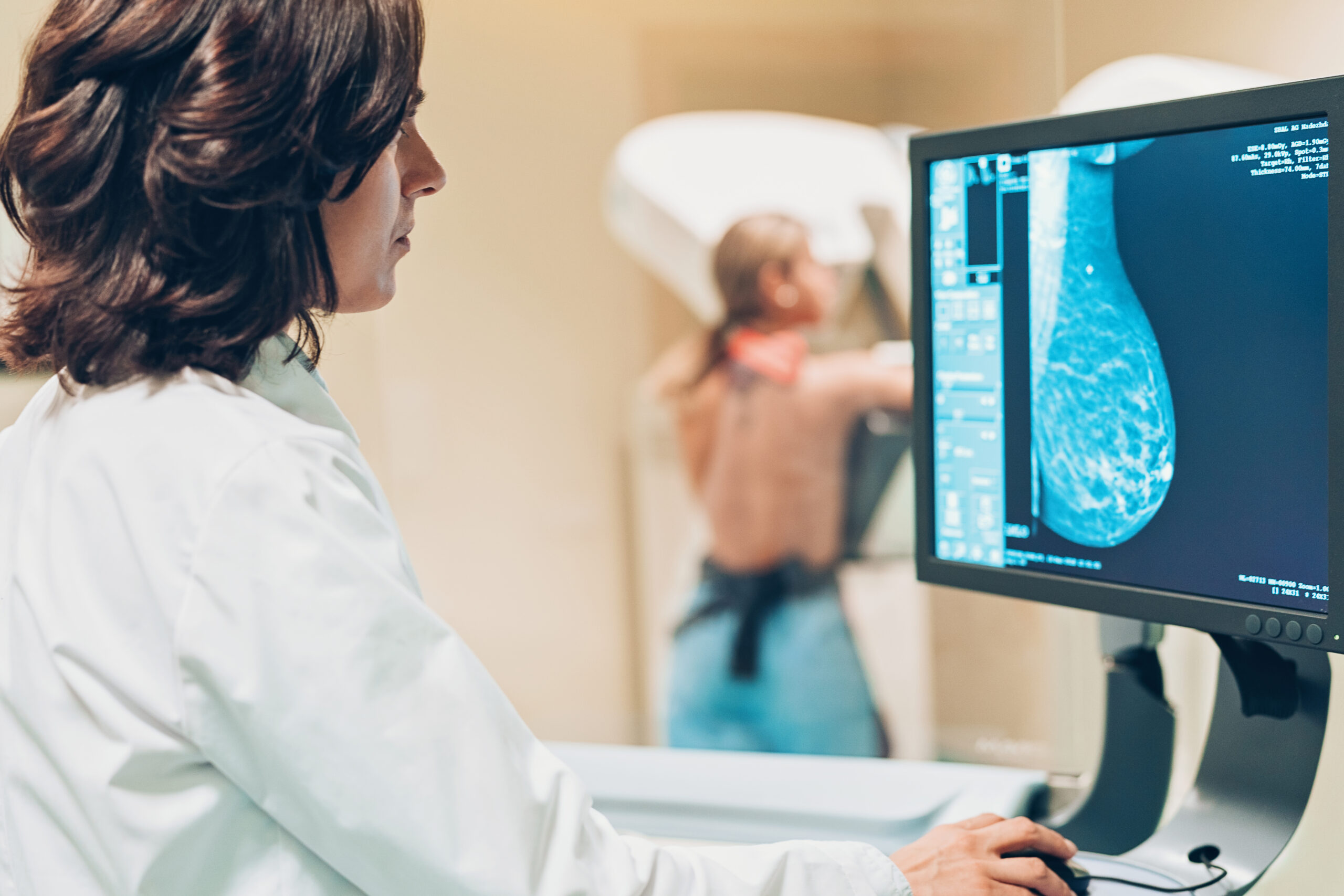
Mammograms use X-rays to scan for lumps that are too small to notice. These scans help detect changes in your breast. Catching these changes early can be critical to catching cancer before any symptoms appear. It is important to note that while mammograms can detect cancer, they cannot diagnose cancer. A diagnosis would require further testing such as a biopsy.
There are two different types of Mammograms, 2D and 3D. A 2D scan involves taking pictures at two different angles to get the full picture. 3D scans are newer and give doctors pictures of the breast as slices allowing for a better image, more complete image.
Southwest Health recently took a giant leap forward with the addition of the new 3D mammogram technology. This technology has been shown to detect small breast cancers up to 15 months earlier than traditional technology.
Starting at age 40, women should begin to get annual mammograms. If you are at increased risk of breast cancer, your doctor may recommend beginning receiving mammograms earlier.
Once at your appointment, you will have to undress from your waist up and will be given a gown to cover yourself with. When the procedure starts, your doctor will have you take out each breast individually for a scan. These scans are short only lasting between 10 to 15 seconds a piece. The whole appointment should take around 20 minutes to complete.
Southwest Health will be offering their first walk in mammogram clinic on April 1st, 2026. This clinic will begin taking place on the first Wednesday of the month through July from 8am – 3pm in Radiology.
Walk-In Participants Must:
- Be 40 or older
- Have not had a mammogram in the past 12 months for health insurance compliance
- Have not had breast cancer in the last 3 years
- Don’t have current breast problems or concerns
Walk-In Patients Should Bring:
- Health insurance card
- Location of last mammogram (if applicable)
- Primary Care Provider’s name