
Expert Eye Surgeon in Platteville, WI
Cataract Surgery Starts With a Conversation
Preparing for your cataract surgery consultation can feel overwhelming. That’s why we’re here to help you understand the basics before your appointment so you can feel more comfortable discussing which lens option may fit your daily life best.

How Cataract Surgery Works
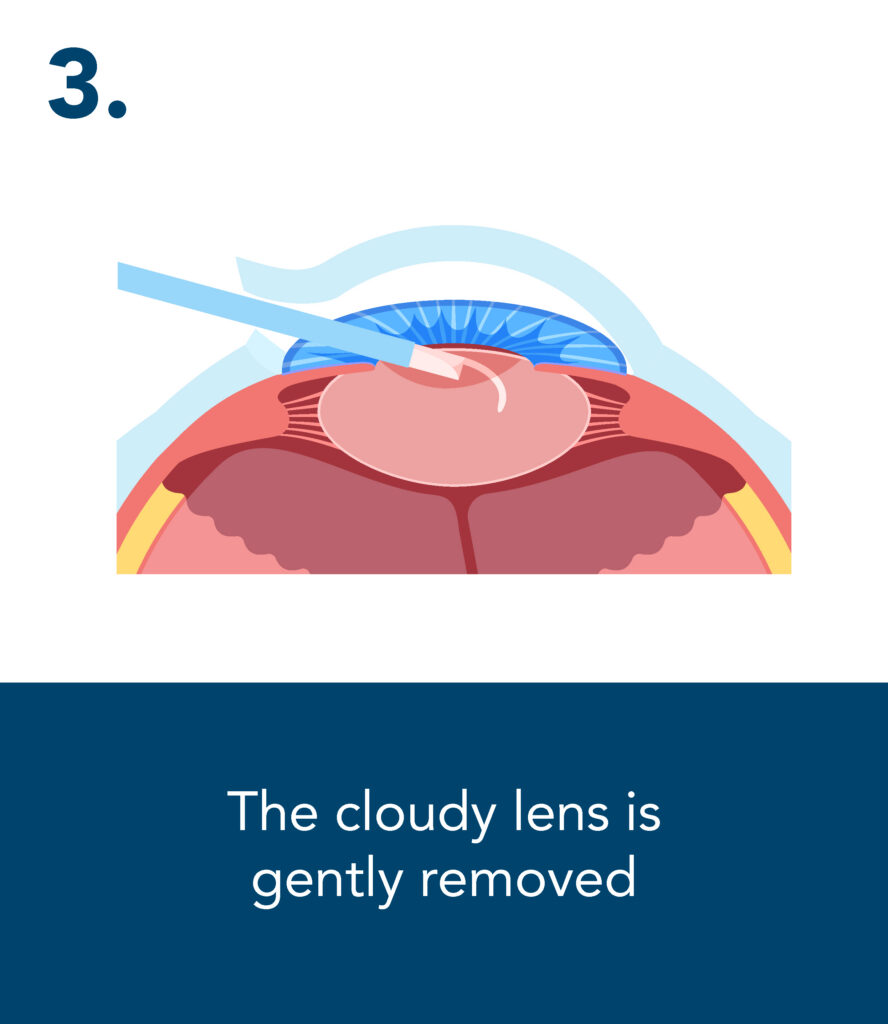
A cataract is the clouding of your eye’s natural lens, causing vision to become blurry, dim, or hazy.
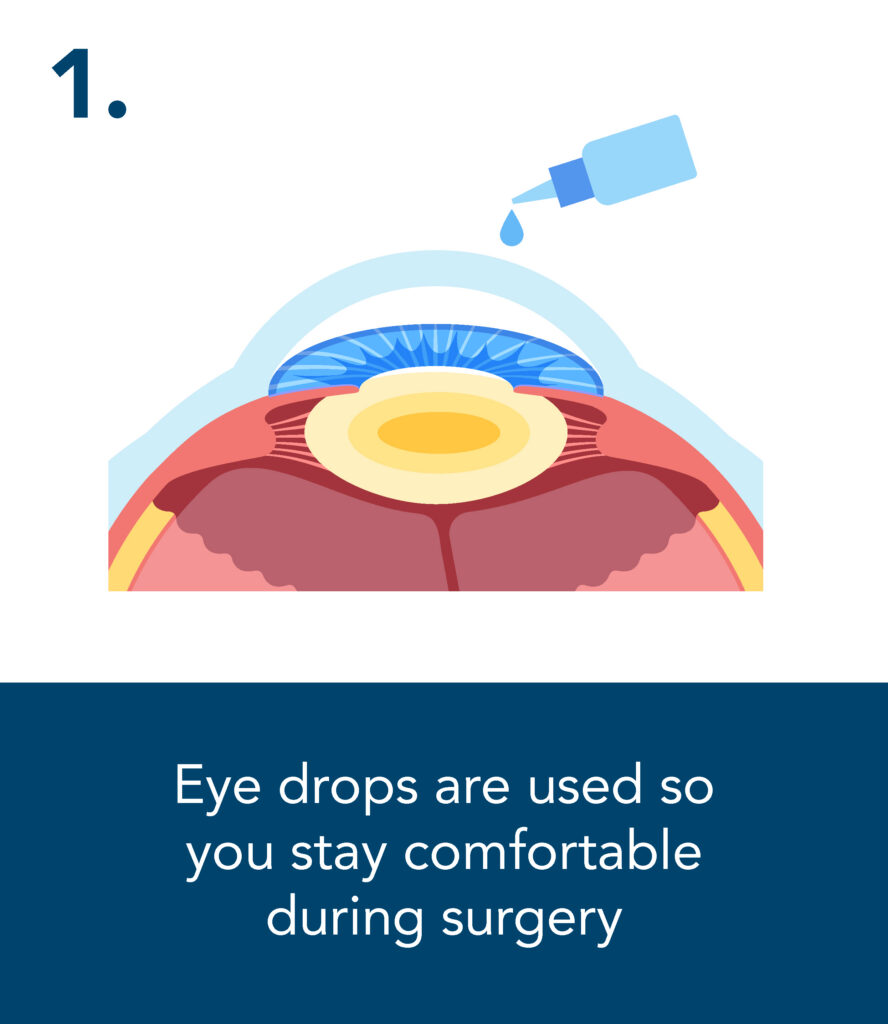
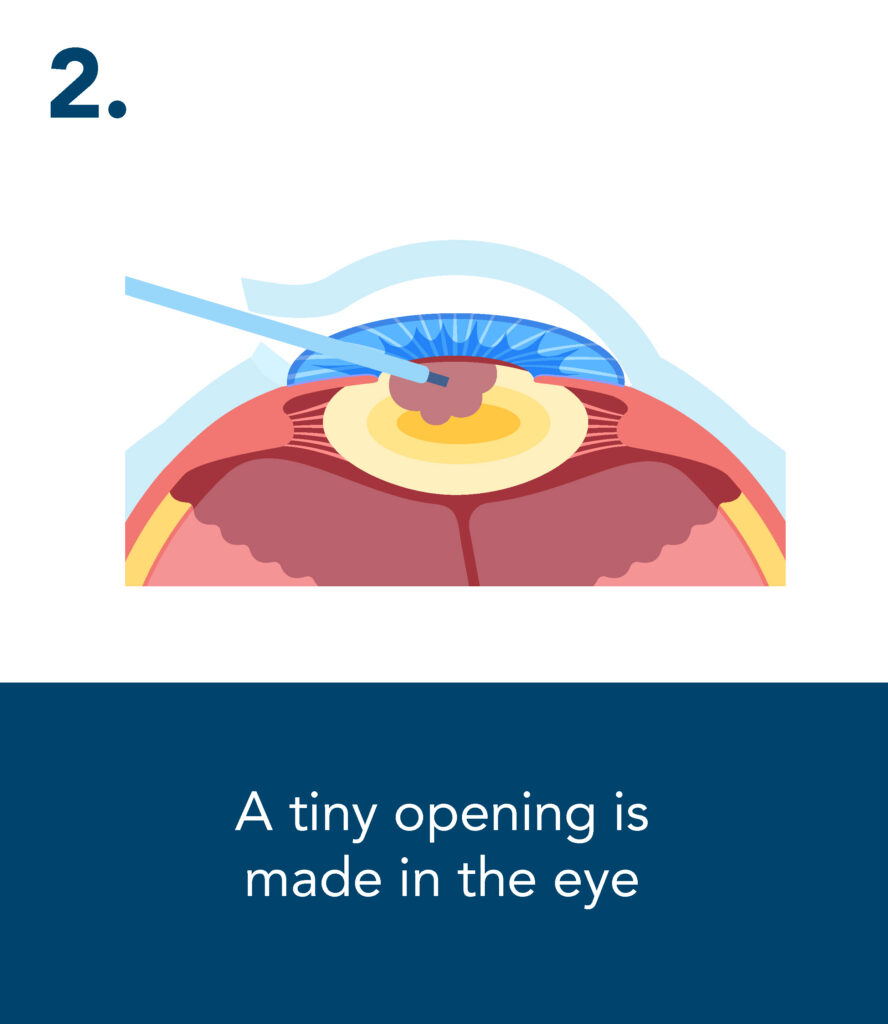
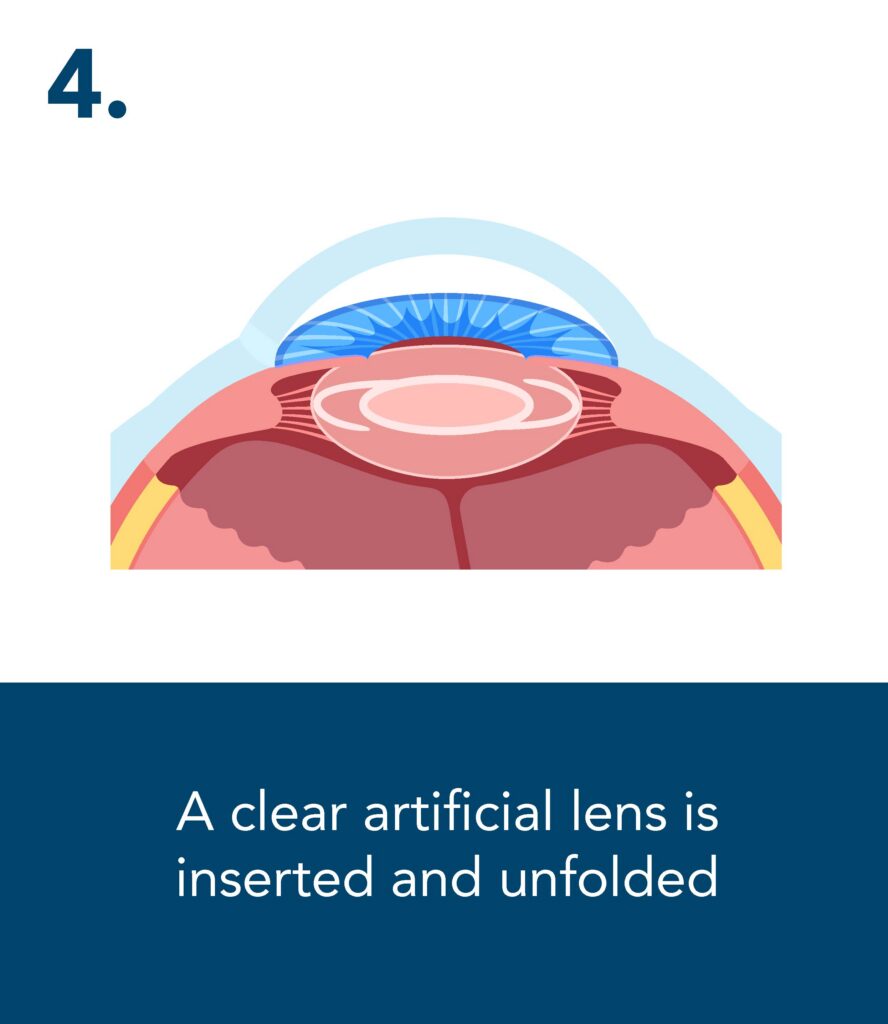
Cataract surgery is a quick, outpatient procedure where the cloudy natural lens of your eye is gently removed and replaced with a clear artificial lens.
This helps restore clearer, sharper vision. The procedure is typically done under local anesthesia, so you’re comfortable but awake, and it usually takes less than 30 minutes.
Most patients notice improved vision within a few days, with continued healing over the following weeks.
Outpatient Procedure
Most Patients Resume Normal Activities Quickly
Usually Less than 30 Minutes
Understanding Your Lens Options
One of the most important parts of preparing for your cataract surgery consultation is choosing the lens that will replace your natural lens. Different lenses are designed to support different lifestyles, activities, and vision priorities.
Please note, premium lenses are only implanted if you are an eligible candidate.
Standard Monofocal Lens
How It Works
Focuses light at one specific distance, near, intermediate or far
Key Benefits
- Sharpest possible vision
- Fewest glare and halo effects
- Excellent for night driving
- Most commonly covered by insurance
Considerations
- Typically still requires glasses for other distances
- Does not correct astigmatism unless combined with other options
Best for
Patients who prioritize reliable distance vision and do not mind wearing reading glasses
Toric Lens
How It Works
Corrects astigmatism at the time of cataract surgery while also providing clear distance vision
Key Benefits
- Reduces dependence on glasses for distance
- Improved visual clarity compared to standard lenses in patients with astigmatism
- Stable, long-term correction built into the lens
Considerations
- Glasses may still be needed for reading or close work
- Additional cost may apply depending on insurance coverage
Best for
Patients who have astigmatism and want sharper distance vision
Multifocal or Multifocal Toric Lens
How It Works
A premium lens designed to provide vision at multiple distances (near, intermediate, and far). The toric version also corrects astigmatism.
Key Benefits
- Greatly reduces dependence on glasses
- Supports near, intermediate, and distance vision
- Toric option corrects astigmatism for even clearer vision
- Convenient for active, glasses-free lifestyles
Considerations
- May cause halos or glare around lights, especially at night
- Visual adaptation period is common
- Not everyone is an ideal candidate based on eye health or lifestyle
Best for
Patients who want the highest level of glasses independence possible
Which Lens Might Fit Your Lifestyle?
If You Prioritize:
You May Prefer:
Crisp distance vision and night driving
Standard Monofocal Lens
Clearer vision and astigmatism correction
Toric Lens
Reducing your dependence on glasses at all distances
Multifocal or Multifocal Toric Lens

Frequently Asked Questions
Will cataract surgery hurt?
Cataract surgery is typically not painful. Numbing eye drops are used before the procedure to keep you comfortable. Most patients feel little to no discomfort during surgery.
How long does cataract surgery take?
The procedure itself usually takes less than 30 minutes. Most patients spend a few hours at the hospital before returning home the same day.
Will I be awake during surgery?
Yes. Most patients remain awake but relaxed during cataract surgery. Your care team may provide medication to help you feel calm and comfortable.
Does insurance cover cataract surgery?
Most insurance plans, including Medicare, cover medically necessary cataract surgery and a standard monofocal lens. Advanced lens options may involve additional out-of-pocket costs.
What should I bring to my consultation?
Please bring the following to your cataract surgery consultation:
- Your current glasses
- A list of medications
- Insurance information
- Any questions you would like to discuss with Dr. Oyen
Vision Priorities Quiz
★★★★★
Patient Rated
“Dr. Mary Jo Oyen is simply a miracle worker. I am so grateful she did my eye surgery. I would have her do eye surgery on anyone I know and love.”
– Dr. Mary Jo Oyen patient
Your Consultation is About Finding the Right Fit for You
Choosing a lens is personal, and you do not need to make every decision before your appointment. Preparing for your cataract surgery consultation is essential to help you understand your options, ask questions, and work together with your surgeon to determine the best path forward for your vision and lifestyle.