
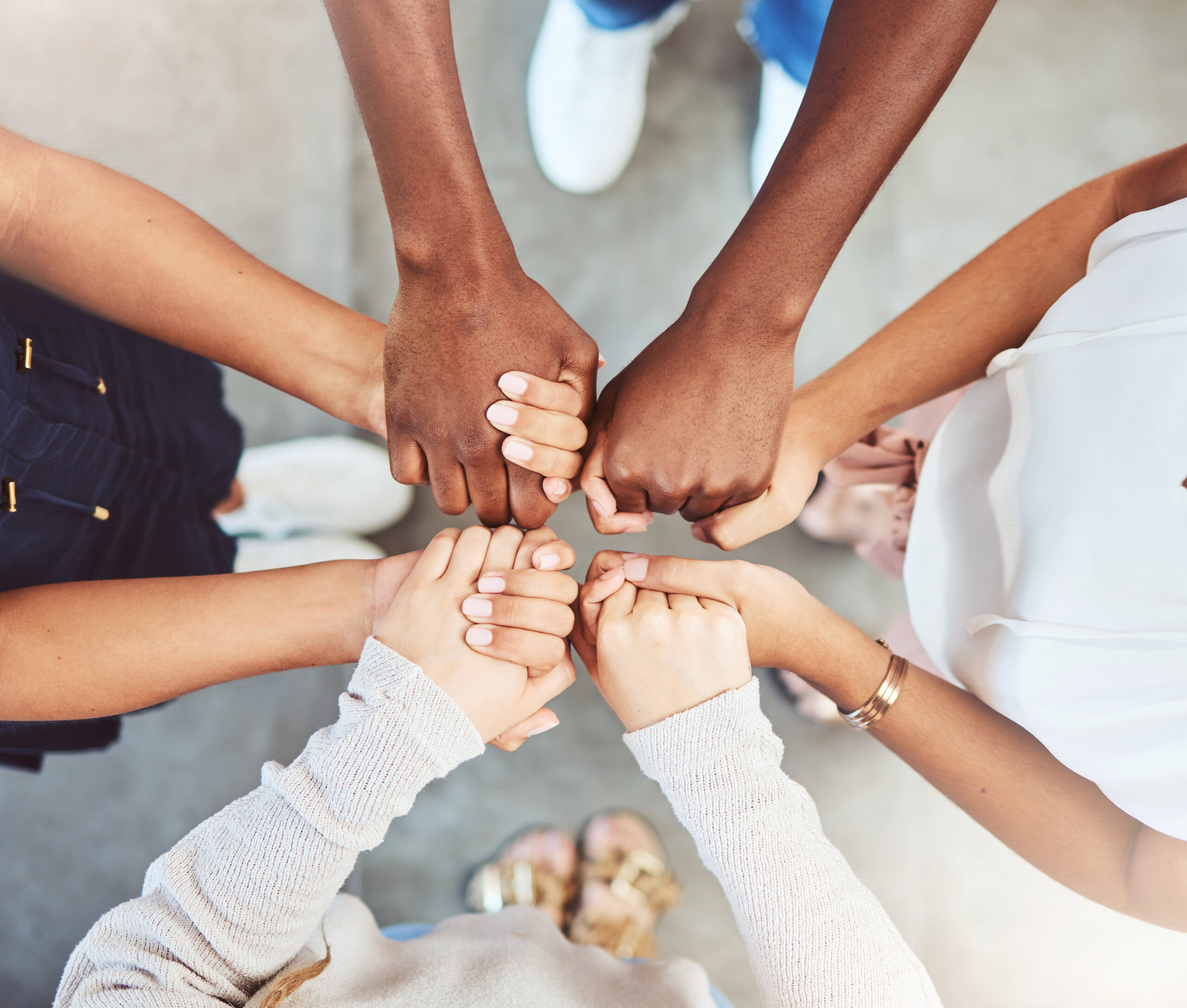
Strength training is more than just lifting heavy weights or gaining muscle. It’s also essential to maintain an independent lifestyle, healthy bones, and being able to live an active lifestyle. Whether you’re an athlete, busy parent, or older individual focused on aging well, strength training can provide you with a foundation to live your life strongly.
In the United States alone, Osteoporosis affects 8 million women and 2 million men per year, causing brittle bones, easier fractures, and more than 2 million fractures per year. Introducing strength training to your weekly routines creates an opportunity for a healthier, more agile lifestyle as we age.
The average person starts losing muscle mass around age 35 at a rate of 1-2% percent per year. After reaching age 60, it can deplete at a rate of 3% each year. As muscle mass declines, your bones also grow weaker, with women facing an even steeper drop in bone density during menopause. These changes can lead to weakness, imbalance, joint stiffness, and a loss of flexibility. One of the best ways to combat muscle weakness and brittle bones is through strength training. Strength training helps strengthen a variety of different functions such as muscle mass, bone density, balance and coordination, and motility, helping you age strongly through all stages of life.
Strength training can take place in many different forms, many that don’t even require a gym membership. Resistance training, weight bearing, balance and stability, flexibility, and posture exercises all contribute to stronger muscles, healthier bones, and improved movement and aging overall. By implementing strength training, you target the wrists, hips, and spine, which are the sites that are most likely to fracture. On top of strengthening your body, it also improves balance and motility, decreasing the risk of falls, the leading cause of hip fractures in older adults. Strength training takes many different forms, some of the most common are as follows:
- Walking, jogging, or stair climbing
- Tennis or other racquet sports
- Free weights or weight machines
- Resistance bands
- Bodyweight exercises
- Yoga
- Stretching
Implementing training doesn’t have to be strenuous, in fact most strength training can be done with moderate to low impact on the body. It’s important to practice these exercises safely, and to keep a few tips in mind.
- Avoid high impact or exercises using the trunk of your body if you have severe osteoporosis or a spinal injury.
- Shoot for 150 minutes of moderate intensity exercise a week, with two muscle strengthening activities each week.
- Gradually increase intensity, take your time, and build. This will help stimulate growth.
- Practice proper form and posture to avoid injury.
Each body is different and requires different assessments for optimal benefit. Choose exercises appropriate for your fitness level and gradually build. Individuals with osteoporosis, history of fractures, or other medical conditions should consult with a doctor or physical therapist before beginning a new exercise routine.
When strength and mobility limits are impacting daily life, physical therapists can develop individual treatment plans to help patients improve movement and return to day-to-day activities safely. With physical therapists in Platteville, Darlington, Cuba City, and Kieler, it’s easier than ever to access that extra support when you need it.
Whether you are looking to improve your fitness, recover from injury, or support your long-term health, Southwest Health offers an array of different resources and professionals to help you reach your goals. From orthopedic specialists and physical therapists to personal trainers, our team is ready to help you build confidence for every stage of life. Take the next step towards building a stronger, healthier future. Call Southwest Health Rehab Services at 608.342.4748 to help maintain your independence and continue living an active lifestyle.