
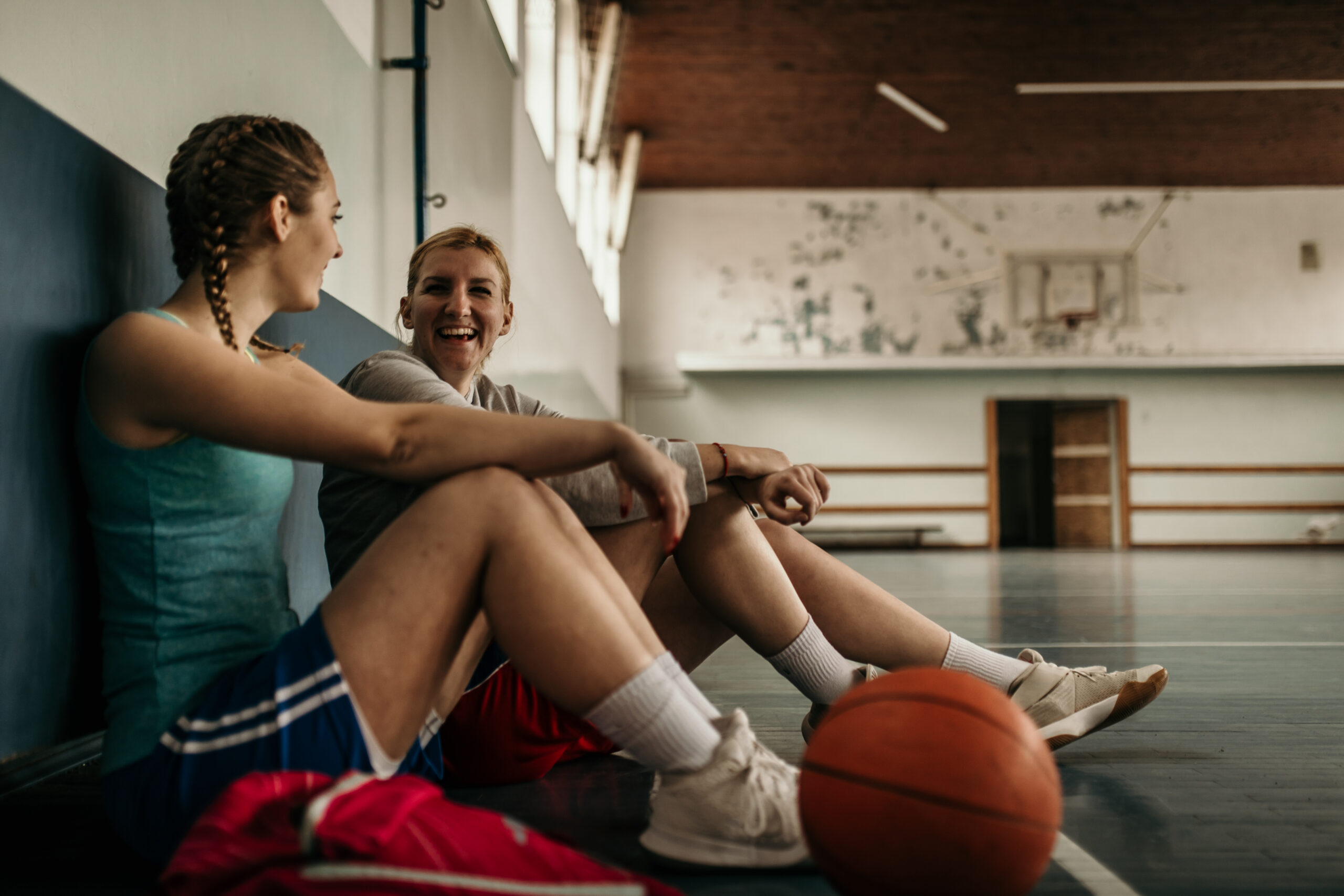
May is National Fitness and Sports Month, a nationwide call to prioritize movement, health habits, and living an active lifestyle. This month helps highlight how fitness, sports, and proper nutrition shape our wellbeing. In the United States, approximately 72% of Americans are not meeting the recommended physical guidelines. This is yet another reason why awareness and motivation is much needed in today’s communities.
The recommended level of physical activity for adults is 150 minutes a week. For children ages 6 to 17 the recommendation is higher at 60 minutes of moderate to vigorous activity daily. Currently, about 1 in 5 adults and teens do not achieve the necessary amount of physical activity to maintain good health.
There are several benefits that one may gain from physical activity. Some of the most evident gains you may see are weight management, reduction in health risks such as cardiovascular disease and others, and strengthening your bones and muscles. Beyond the clear physical and health advantages, it also contributes to emotional well-being and cognitive development.
When you exercise, your brain releases endorphins which help improve mood. These can be seen as your body’s way of producing a natural antidepressant. Exercising regularly also helps reduce cortisol levels. This is important for mitigating your stress levels, which in turn can help regulate your emotions.
As far as cognitive perks, physical activity is linked to enhanced memory, increased focus, and improved problem-solving skills. Regular physical activity can even help reduce your risk of Alzheimer’s and other types of dementia.
Getting active or finding new ways to move may seem like a daunting task. There is a wide variety of different activities for every ability and any interest you may have. With a little exploration, you can discover options that feel enjoyable, sustainable, and tailored to your lifestyle.
For individuals who are just getting started with their physical activity, the journey should start simple. Starting with low impact activities such as walking, flexibility, and body weight movements will allow your body to adjust to activity. Once your body becomes more acclimated, you may want to branch out and try more intensive activities such as running or weightlifting.
When exercising, it is important to set realistic goals. Setting goals will allow you to work towards achievable milestones. Being unrealistic while setting your goals can hinder your ability to reach your goals. Breaking larger long-term goals down into smaller more manageable tasks will also allow your goals to become more sustainable. Integrating your goals into your daily or weekly routines will help you create a habit. Creating these healthy habits will play a significant role in reaching your goals.
Once these habits become part of your routine, they can open doors to the broader world of sports and fitness. Sports can play a large role in an individual’s active lifestyle. As of February 2025, 80% of Americans participated in at least 1 activity in 2024. From life skills to physical fitness, sports are able to provide benefits in several areas of health and well-being.
Joining a sports team or trying out a new activity is now easier than ever. Social networking and digital applications are regularly available to sign up for an activity group or your desired sports group. When looking to join a group, it’s important to do some research prior to applying. This will help you figure out the best fit for you based on your fitness levels and your interests. Regardless of your age or ability, many sport leagues have classes, groups, and teams available for everyone. Once you’ve found the right group or team to join, its important to make sure you are physically prepared to participate. That’s where sports physicals become essential.
Sports Physicals play a vital role in maintaining an athlete’s good health. They protect a player from unnecessary harm and help to enhance performance. These exams help to detect potential health risks that may affect performance. Many common disorders such as heart murmurs or asthma may be detected. Sport physicals are also a requirement for many educational institutions. Obtaining a sports physical is super simple and within reach. Southwest Health is offering WIAA sports physicals on the following dates and locations. All physicals are $25, with proceeds donated back to the student’s school.
June Dates
Tuesday, June 9 – Cuba City
Wednesday, June 10 – Platteville
Thursday, June 11 – Kieler
Friday, June 12 – Darlington
August Dates
Tuesday, August 4 – Cuba City
Wednesday, August 5 – Platteville
Thursday, August 6 – Kieler
Friday, August 7 – Darlington
If your child is looking for a sports physical for the upcoming school year, Southwest Health is hosting a WIAA Sport Physical Clinic! Schedule a sports physical in June and August. Physicals are $25, which will be donated back to the child’s school.