
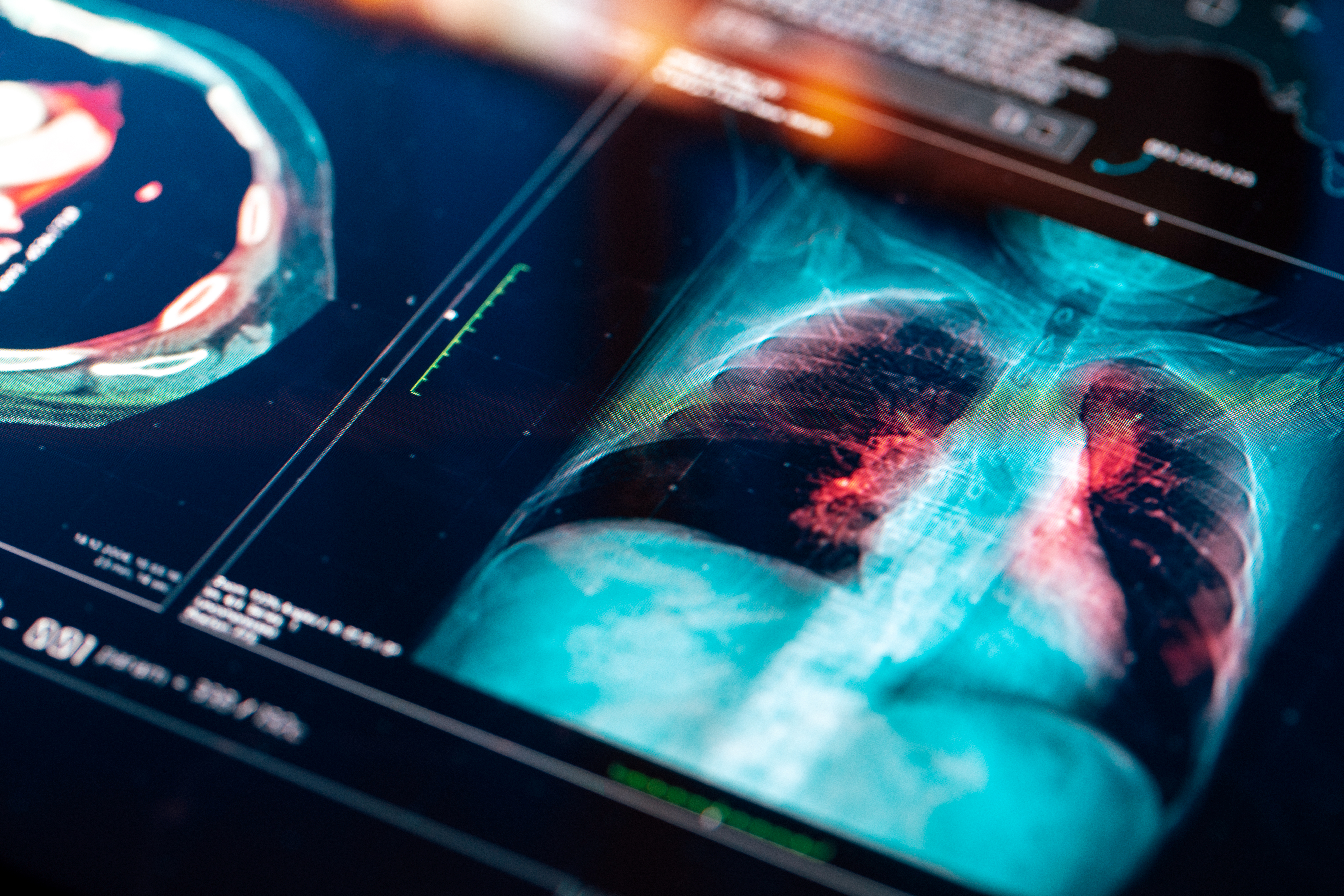
When people think about lung cancer, smoking is often the first risk factor that comes to mind. While tobacco use remains the leading cause, there is another serious, and often overlooked, threat: radon gas.
Radon is a colorless, odorless, radioactive gas that forms naturally from the breakdown of uranium in soil and rock. It can seep into homes and buildings through cracks in foundations, walls, floors, and gaps around pipes. Because radon cannot be detected by humans, many people are unaware they are being exposed.
The health risk comes from long-term inhalation. When radon gas breaks down, it produces radioactive particles that can become trapped in the lungs when breathed in. Over time, these particles damage lung tissue and increase the risk of developing lung cancer. The danger is particularly high for smokers, but non-smokers exposed to elevated radon levels are also at significant risk.
The good news is that radon exposure is both detectable and preventable. Radon testing is the only way to know whether levels in a home or workplace are elevated. Testing is inexpensive, easy to perform, and widely available through hardware stores, health departments, or professional testing services. Short-term tests typically take two to seven days, while long-term tests measure levels over several months and provide a more accurate picture of year-round exposure.
Radon is not just a concern for older homes or specific regions. It can be found in new construction, well-sealed homes, schools, and workplaces, and elevated levels have been identified in every state. Testing is especially important during colder months when buildings are closed up and radon levels tend to be higher.
Preventing lung cancer begins with awareness and proactive steps. Just as regular screenings and healthy lifestyle choices matter, so does addressing environmental risks inside the places where we live and work. Radon testing is a simple action that can save lives.
By testing for radon and taking steps to reduce exposure when necessary, individuals and families can significantly lower their risk of lung cancer—creating healthier homes and safer communities for everyone.