
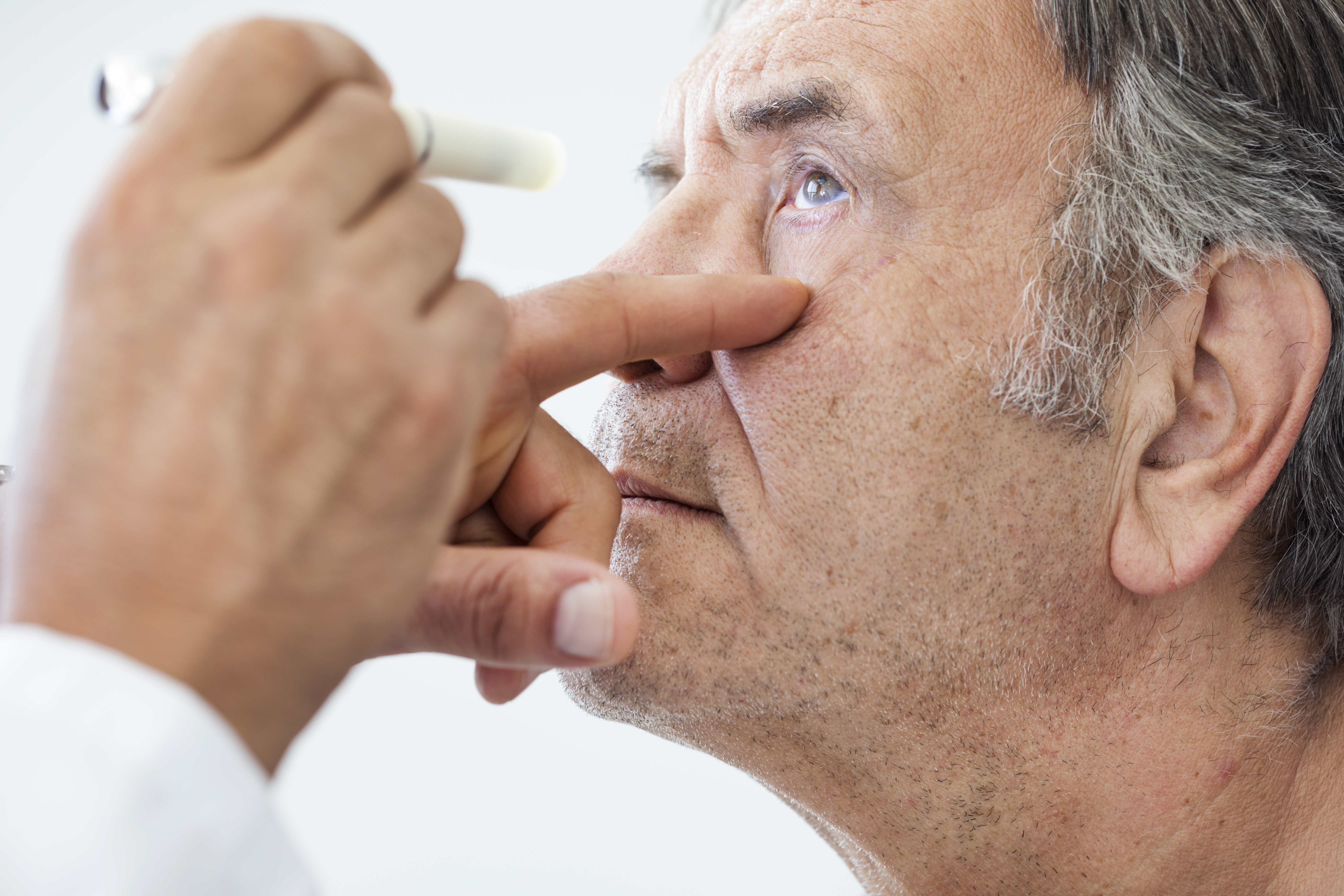
The first discovery of eye problems in diabetes occurred in the 1850’s with the invention of technology to see into the retina (back wall of the eye). Thankfully, in 2026 optometrists have significantly more advanced technology and knowledge for keeping the eyes healthy in diabetes.
The key areas of diabetic impact on the eye are the intraocular lens – causing refractive shift in vision and cataracts and the retina – causing diabetic retinopathy or bleeding in the retina.
When the blood sugar level is very high it will cause the intraocular lens inside the eye to swell. This swelling acts as if you now have an incorrect prescription in your glasses or can make it feel like you suddenly need glasses when you didn’t before. The shift is usually in the near-sighted direction making distant objects appear blurrier. This vision change is often one of the early signs that could occur before diabetes is diagnosed. It is more likely for younger patients with diabetes to notice this type of visual symptom. It would seem like new glasses should help, but often we would want to wait until the blood sugar is stabilized to adjust the glasses prescription. Many times, the vision will return to its previous prescription before the diabetes related shift occurred. This is why your managing provider may recommend you scheduling a diabetic eye exam about a month after starting blood sugar lowering medication unless other immediate concerns are present.
The other way the intraocular lens is affected in diabetes is to accelerate cataract formation. High blood sugar can cause natural proteins within the intraocular lens to become sticky, clumped, and eventually cloudy which is the process of cataract formation. Cataracts naturally form in everyone with age, but prolonged uncontrolled blood sugars can cause them to form at a much earlier age than they otherwise would. Encouragingly, surgery for the removal of cataracts is the same process whether they are age or diabetic related or a combination of both. Typically, once blood sugars are controlled, cataract surgery is not more complex in diabetes.
In contrast to the intraocular lens, which is easier to address, changes in the retina from diabetes are more vision threatening. It is estimated that about one fourth of patients with diabetes will have something called diabetic retinopathy. This vascular compromise occurs when blood sugar is too high damaging the walls of the small vessels in the retina, causing blood to leak out. The gold standard for detecting this bleeding is a dilated eye exam, but retinal imaging technology may also be used. Diabetic retinopathy is especially concerning given that the changes are occurring silently, and patients may have no visual symptoms especially in early stages. The American Academy of Ophthalmology recommends patients with type 1 diabetes have annual screenings beginning 5 years after diagnosis, and patients with type 2 diabetes have prompt screening at time of diagnosis and annual screenings afterwards ongoing. When bleeding in the retina is detected, the eye doctor can alert the patient and doctor managing the diabetes that tighter control may be needed. Early detection and proper change in treatment course can ultimately prevent permanent blindness from diabetes.
Now more than ever optometrists have excellent strategies for detecting and managing diabetic impacts on the eye. However, the key to addressing these impacts is being seen by the eye doctor regularly during your lifelong journey with diabetes.
As diabetic eye care continues, a provider will develop more information for the patient and create a trajectory of where the condition is heading. If it looks like conditions could worsen and negatively affect vision, your provider can change treatment. If you have any questions about your eye health or have diabetes and want to talk more about how your condition can affect your eyes, please do not hesitate to contact the Eye Center at Southwest Health at (608) 342-2020. We have four convenient Eye Center locations: two in Platteville (at our hospital and at McGregor Plaza), as well as in Darlington and Lancaster.