
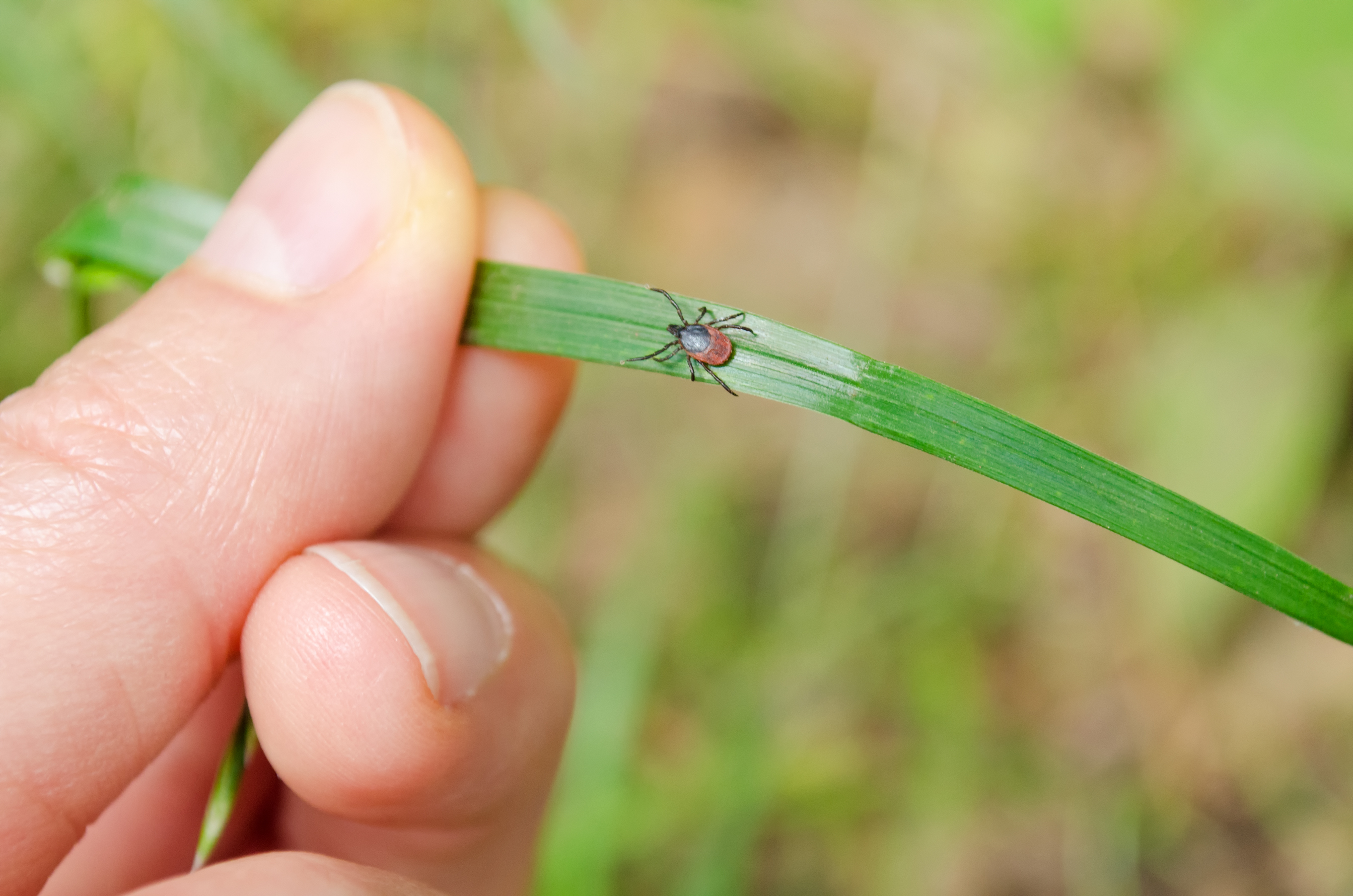
We all value time outdoors, whether that’s gardening in the yard, hiking local trails, or cheering on kids at summer ball games. Getting outside is good for both our bodies and our mental health. But as we dive into these activities, it’s important to be aware of some health risks that come with Wisconsin’s beautiful landscapes. One of those risks is Powassan virus.
Powassan virus is a tick-borne illness that, while still quite rare, can be very serious. This virus is carried by the same blacklegged ticks—often called deer ticks—that also spread Lyme disease. Unlike Lyme disease, however, Powassan virus can infect the brain and nervous system, causing conditions like encephalitis (inflammation of the brain) or meningitis (inflammation of the membranes surrounding the brain and spinal cord). These complications can sometimes lead to long-lasting neurological problems or even be life-threatening.
Although Powassan virus infections are still uncommon, we are seeing them more frequently than in the past. The first case was identified in Wisconsin back in 2003. By 2024, that number had risen to 12 reported cases in our state. So far in 2025, we’ve already had three identified cases in Wisconsin, including one heartbreaking death.
Most Powassan virus infections in the U.S. occur in the northeastern states and the Great Lakes region. That means Wisconsin is among the areas where people are more likely to come into contact with ticks carrying this virus.
The tricky part is that after an infected tick bites, it can take anywhere from one week to up to a month before symptoms start. Many people experience mild flu-like symptoms at first—fever, headache, or feeling unusually weak. But in some cases, it progresses into much more severe issues such as confusion, seizures, trouble speaking, or paralysis. Because there’s no specific antiviral treatment for Powassan virus, our care focuses on treating the symptoms and supporting patients through their recovery.
That’s why prevention is so essential. Preventing tick bites is your best line of defense. This means wearing long sleeves and pants if you’re going to be in wooded or grassy areas, using insect repellents that contain DEET, and doing thorough tick checks on yourself, your kids, and your pets as soon as you come back indoors. If you do find a tick, removing it as quickly and carefully as possible reduces the chance of infection.
If you want to learn more, there are excellent resources available. The Wisconsin Department of Health Services offers fact sheets on Powassan virus, tick bite prevention, and the risks of tickborne diseases in our state. The CDC also has easy-to-understand guides, including what to do after a tick bite and fun educational materials for kids to help them learn how to protect themselves.
Wisconsin summers are too short to spend them worried about ticks, so let’s take these simple precautions together. If you ever have questions or concerns, whether about a tick bite, unusual symptoms, or how best to protect your family, please don’t hesitate to reach out to a Family Medicine provider at Southwest Health.
This article was prepared by Dr. Kara Kamps-Schmitt, MD, Family Medicine provider at Southwest Health. Dr. Kamps-Schmitt sees patients in Platteville and Kieler and is dedicated to building long-standing partnerships with patients and their families to improve health and wellness.
